top of page
it's where dermatology lives


press to zoom

press to zoom
press to zoom
1/2


Macrophage communication failure key in NMSC
Researchers at The University of Texas MD Anderson Cancer Center have discovered that immunosuppressed patients with non-melanoma skin cancer are not missing the key cancer-fighting macrophages found in immunocompetent patients. Instead, those cells have lost the ability to communicate effectively. The researchers say this new understanding may help researchers develop new treatment approaches for these aggressive skin cancers. The study was published in Cell. Moran Amit, MD,
John Evans
Aug 72 min read

VIDEO: Antihistamines show little meaningful benefit for AD symptoms
Oral antihistamines show little meaningful benefit for AD and can even increase the risk of cognitive impairment in some patients
Jeremy Visser
Aug 51 min read
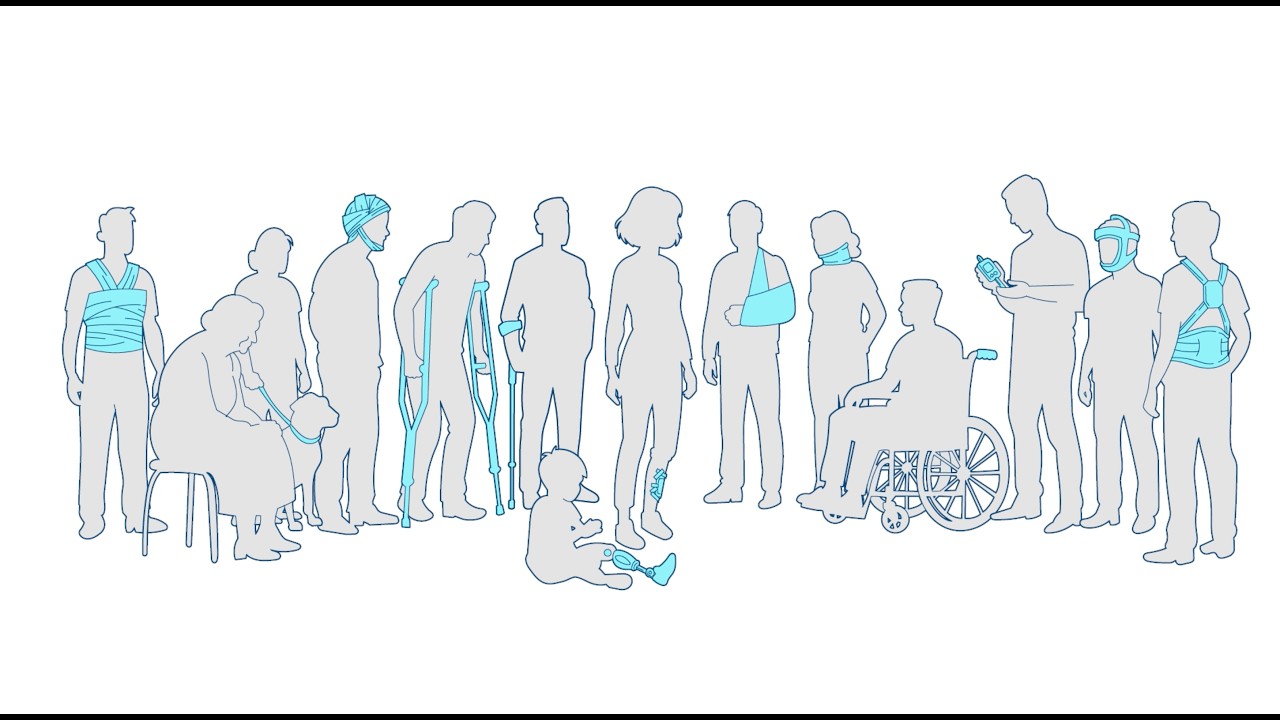
Experimental dressing boosts wound healing by managing body’s growth factors
A new bio-inspired wound dressing material that captures and controls the release of growth factors involved in wound healing has shown promising results in animal and human skin models. The new material, developed by scientists at Imperial College London, U.K., accelerates wound healing and human skin repair by releasing these molecules only when migrating cells apply tension to the dressing. In new research published in Nature Materials, the dressings helped wounds on a mou
John Evans
Jul 313 min read

VIDEO: Researchers detail world-first scabies program effective in drastically reducing disease prevalence
A world-first program has drastically reduced scabies cases in the Solomon Islands and Fiji.
Jeremy Visser
Jul 291 min read


Dissolving microneedles could help PDT reach deeper skin tumours
In photodynamic therapy, a light-sensitive drug accumulates in cancer cells and is then activated by light, producing cell-killing molecules. Microneedles can help deliver the drug and distribute light more effectively within non-melanoma skin cancer. Image by M. Requena et al. A biodegradable microneedle patch designed to deliver treatment through the skin may also guide and scatter light, potentially allowing photodynamic therapy (PDT) to treat nonmelanoma skin cancers more
Allan Ryan
Jul 272 min read


Neutrophil production signalling pathway in psoriasis identified
Schematic overview of the pathological skin-bone marrow axis driving psoriasis, based on findings from Kumamoto University researchers. The study revealed that inflamed skin produces G-CSF, which travels to the bone marrow to stimulate emergency granulopoiesis and the overproduction of neutrophils. These neutrophils then infiltrate the skin to worsen inflammation. As demonstrated in the research, experimental therapeutic interventions blocking either G-CSF (anti-G-CSF) or neu
John Evans
Jul 242 min read
VIDEO: GLP-1 receptor agonists may be effective as adjunct therapy for skin diseases
GLP-1 receptor agonists may have potential applications as adjunct therapy for PsO, AD, HS, chronic wounds, and other skin conditions.
Jeremy Visser
Jul 221 min read


Potential Tx for hypopigmentation?
Ampyrone increases pigmentation in a human 3D epidermal model, The top row shows visible epidermal darkening after treatment every other day with ampyrone for 21 days as compared to negative control. The bottom row shows magnification of epidermal cells revealing increased melanin synthesis in the ampyrone treated melanocytes as compared to negative control. Positive control is alpha-melanocyte stimulating hormone (αMSH) plus beta-fibroblast growth factor (βFGF). Photo by Dr.
Allan Ryan
Jul 202 min read
Featured Posts


bottom of page