
Atopic dermatitis comorbidities mapped
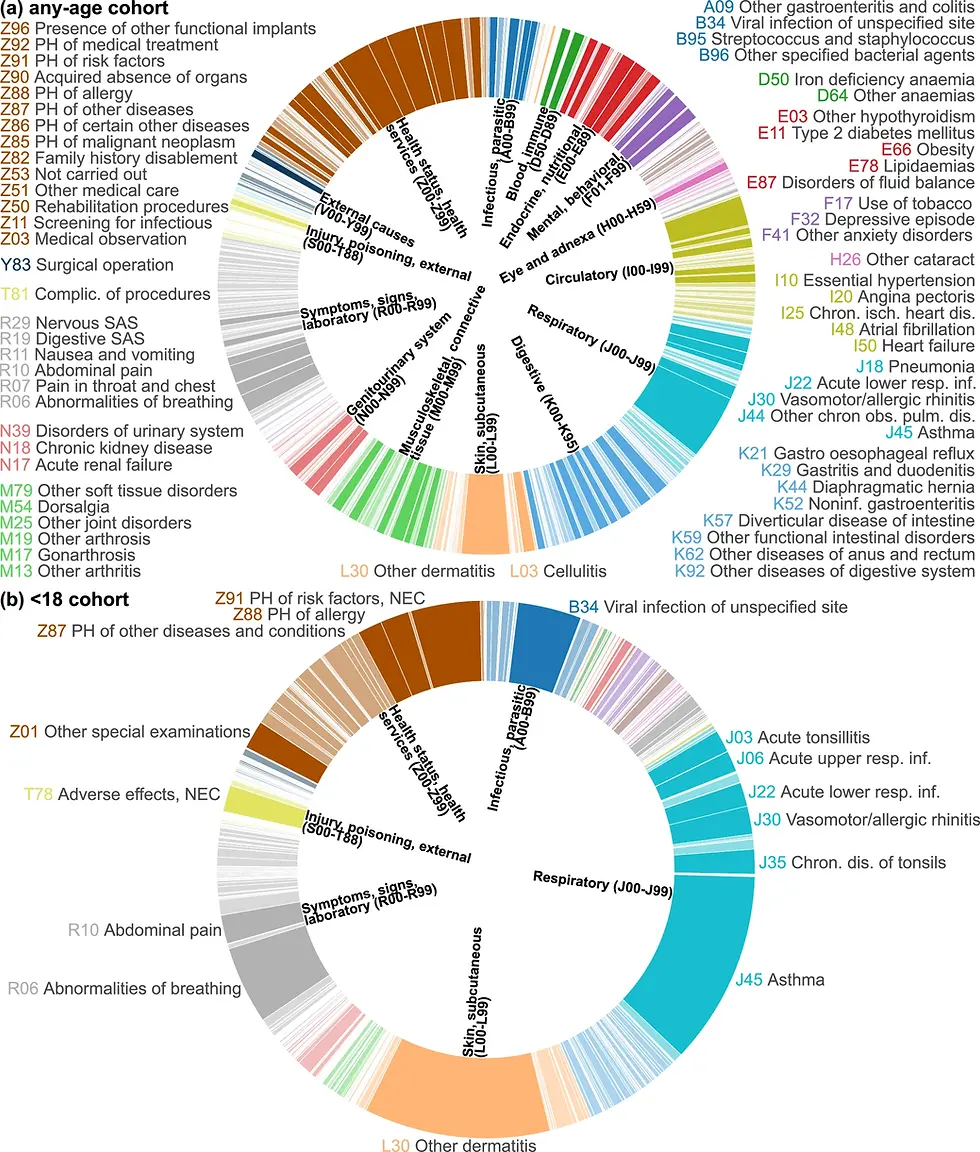
Researchers at the London School of Hygiene & Tropical Medicine (LSHTM) have created the first “map” of the entire spectrum of diseases linked to atopic eczema.
They published their findings in Nature Communications.
To create the map, researchers analyzed anonymized patient healthcare records from both general practitioners (GPs) and hospitals in England between 1997 and 2023.
They found that patients diagnosed with atopic eczema at some point in their lives were also more likely to be diagnosed with eye conditions compared with those who did not have an eczema diagnosis. These included not just allergic conjunctivitis, but also more serious conditions known to permanently affect vision, such as keratoconus (twice as likely) and cataracts (1.6 times more likely).
Findings also showed strong associations with inflammatory bowel diseases. The association with Crohn’s disease was persistently strong across the analyses performed in the study, with a Crohn’s disease diagnosis 1.7 times more likely for those also diagnosed with eczema.
Using anonymized data collected from GP practices, which are the usual first point of contact for patients in the U.K. healthcare system and where almost all eczema cases are managed, the team first assessed how many patients had been diagnosed with atopic eczema (3 million versus 14 million without a diagnosis). The team then analyzed those patients’ linked anonymized hospital records to uncover associations between eczema and other conditions that arose during a 25-year follow-up period.
The team found strong associations with allergy-based conditions already known to be associated with atopic eczema, including asthma, food allergies, and hay fever. In comparison, awareness of the connections identified between eye conditions and inflammatory bowel disease in the study is limited, indicating a need for guidance for GPs and dermatologists on monitoring for other potential conditions and making referrals to other departments.
In a press release, Dr. Julian Matthewman, Assistant Professor at LSHTM and lead author of the study, said: “We believe this may be the first study to comprehensively map the diseases associated with eczema.
“Eczema can affect people of all ages and can be extremely painful and distressing for many patients. Through mapping and uncovering diseases associated with eczema that may not be widely known, we want to equip patients with the knowledge to ask more questions and provide healthcare practitioners with a bigger picture to encourage better communication between departments.
“We know that patients living with long-term health conditions can often experience delays in getting the treatment they need or may need to attend numerous healthcare appointments to reach a diagnosis. We hope that our comprehensive, real-world evidence can now assist healthcare in prioritizing resources where they can be most effective for patients.”
As the study only looked at electronic health records and is observational, the team say it does not prove or disprove that eczema directly causes these conditions. It may also be possible that some patients were misdiagnosed with eczema, or that medical records were incomplete or inaccurate.
The study builds on previous research published by the team at LSHTM last year, which investigated adverse health outcomes associated with atopic eczema and included additional analyses on eczema severity.

Comments